Drain Checks for Renters Moving in Zona Norte
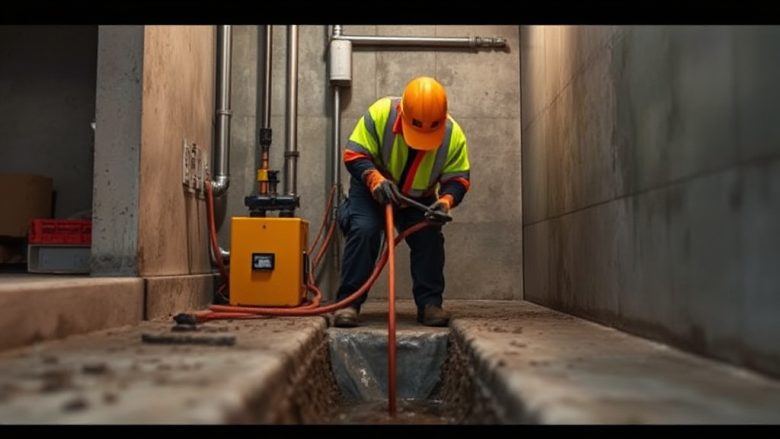
A five-minute drain check on move-in day can save you a costly argument at move-out. In Cidade Tiradentes, a neighborhood in São Paulo’s Zona Leste, renters often discover slow drains only after the first heavy rain or a full week of showers. If you are moving into a rented apartment or house, treat every sink, shower, toilet and floor drain as evidence. Document what you see, fix small issues early, and know when to call a professional desentupidora em Cidade Tiradentes São Paulo SP before a clog turns into a flood.
Move-In Drain Checklist
Start your inspection before you unpack boxes. A clear drain today is your best defense against a deposit deduction later. Walk through each wet area with a flashlight and a bucket, and write down anything that looks odd.
Test every drain with running water
Run the tap for at least two minutes at each sink and watch how fast the water drops. A gurgling sound or a slow swirl means the trap or branch line is partly blocked. Do the same in the shower and bathtub, then flush the toilet twice. If water rises before it drains, note it immediately.
Check for smells and stains
Open the cabinet under the kitchen sink and look for dark rings, soft wood or white mineral crust around the pipe joints. A musty or sewage smell near a floor drain suggests a dry trap or a deeper blockage. Photograph everything with a timestamp so you have proof of the condition at move-in.
Look at outdoor and laundry drains
If your unit has a laundry area, a service sink or a small yard drain, pour a bucket of water through each one. Leaves, sand and soap residue build up fast in these low points. A slow outdoor drain can back up into the house during summer storms, so flag it in writing to the landlord before you sign the inspection report.
Agree on a written baseline
Send your notes and photos to the landlord or letting agent by email. Ask them to confirm that the drains were working on the handover date. This simple message prevents the classic move-out dispute where a tenant is blamed for a blockage that already existed. Keep the reply in your records.
Know who to call in an emergency
Save a local emergency number before you need it. A reliable desentupidora Cidade Tiradentes team can clear a blocked toilet, unclog a kitchen line or hydrojet a grease-filled pipe, often on the same day. Ask your landlord whether the lease covers emergency plumbing or whether you must call and claim the cost later.
Move-Out Drain Checklist
Two weeks before your final inspection, repeat the same tests. The goal is to hand back a unit with drains as clear as they were on day one, and to avoid last-minute charges.
Clear surface debris first
Remove hair from shower strainers, food scraps from sink baskets and lint from the washing machine filter. Many slow drains are simply blocked at the surface, not deep in the pipe. A pair of gloves and a small brush solve most of these cases without any tools.
Flush with hot water, not chemicals
Pour a kettle of hot water down each sink and shower drain once a day for three days. This melts soap scum and grease without damaging older pipes. Avoid harsh chemical drain cleaners, which can corrode joints and leave a residue that a landlord may notice. If the water still drains slowly, it is time to book a professional desentupidora Cidade Tiradentes São Paulo SP visit before the final walkthrough.
Document the final condition
Take new photos of every drain and compare them with your move-in set. If a professional cleared a blockage during your tenancy, keep the receipt and the service report. Showing that a licensed team handled the problem protects you from being charged for normal wear and tear.
Leave a short handover note
Write a one-page summary for the next tenant or the landlord: which drains are sensitive, when they were last cleared and what product or service worked. This small courtesy reduces future disputes and shows that you maintained the property responsibly.
Renters in Zona Norte do not need plumbing skills to protect their deposit. They need a flashlight, a bucket, a camera and a clear record. Check the drains on the day you move in, test them again before you leave, and call a professional when water tells you something is wrong. That habit turns a stressful move-out into a simple handover.